Dietetics And Nutrition
- Home
- /
- Dietetics And Nutrition

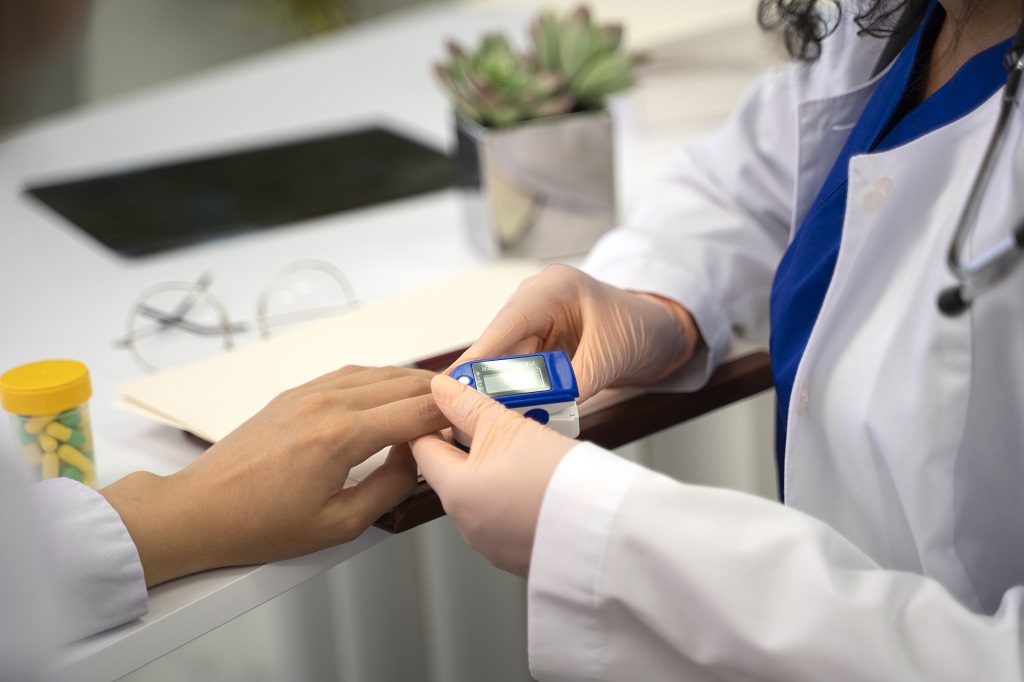

The Department of Dietetics & Nutrition takes into consideration the health problems and nutritional requirements of every individual to chart out a customised dietary plan. Our team of expert dieticians advise on how to eat healthy, maintain optimal body weight, prevent/manage lifestyle disorders such as hypertension, obesity and diabetes.





Sunrise hospitals , Experience, Expertise, Care

Patient-friendly systems (like easy appointment bookings), compassionate professionals, and strong cleanliness and efficiency standards..
I had a shoulder dislocation and was unable to lift my hand due to severe pain and muscle soreness. I first consulted Dr. Govind (Orthopaedics).
Dr archana is very friendly and free to talk to the patients and also archana mam will give detailing of the disease in good manner,.
.I came from palakkad to sunrise hospital erattupetta to see this Dr. Asok Kumar, Neurologist..
I Had a very good experience at sunrise Hospital Erattupetta. Dr:Bibin an ENT Specialist performed my septoplasty with skill and professionalism..
Thank you so much sunrise, My wife had a surgery here, under Dr. Hafeez rahman.
Forever grateful to Sunrise Hospital, Erattupetta.
I had a very positive experience at Sunrise Hospital, Erattupetta today during my whole body health check-up..
The emergency care team responded quickly and explained everything clearly, which helped ease my anxiety during a difficult time..
I would like to express my heartfelt gratitude to Sunrise Hospital, Erattupetta, for the excellent care and outstanding service provided during my wife’s delivery..
Words are not enough to express what this journey and experience meant to me..




Where Compassionate Care Meets Healing Excellence.
Your Pathway to Wellness Begins Here.

Experience, Expertise, Care
Copyright © 2026 IPIX. All Rights Reserved


